


Men’s Health in Midlife: How to Keep Your Prostate Healthy
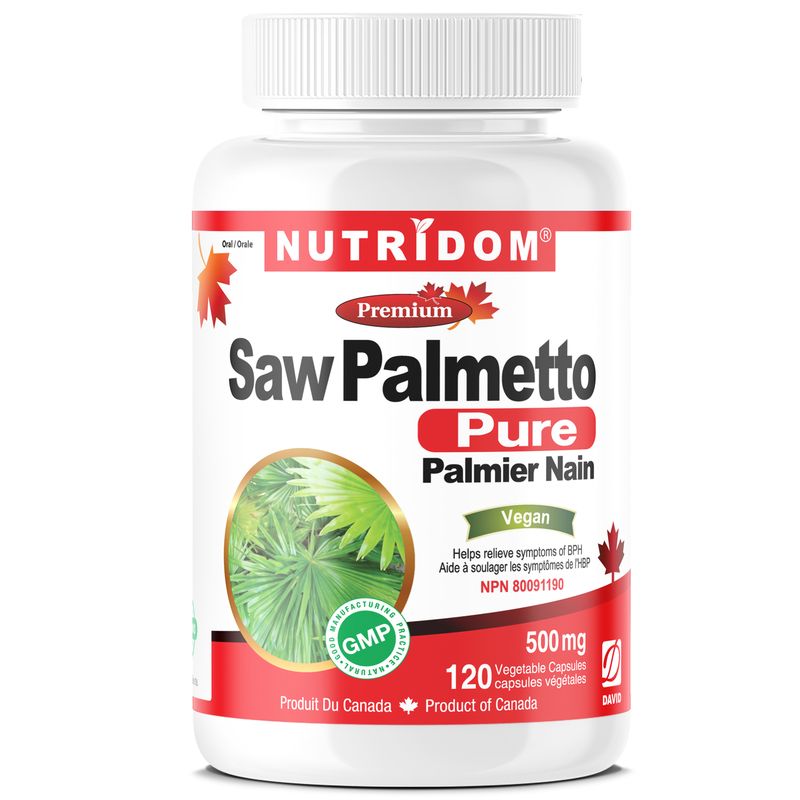
Prostate enlargement isn’t just a part of aging. It’s a sign your hormones and habits need attention.Weak urine flow, frequent nighttime trips, or discomfort can all point to prostate issues.Nutridom Saw Palmetto 500 mg and Pygeum 200 mg are natural s
2025-10-27 16:38:31

Men’s Health in Midlife: How to Keep Your Prostate Healthy
As men get older, one of the most common health concerns is prostate enlargement (benign prostatic hyperplasia, or BPH).
It often starts with a weak urine stream or frequent nighttime bathroom visits that gradually become more uncomfortable.
The good news is that it’s not only about age. Hormonal changes and lifestyle habits play a much bigger role than most people realize.
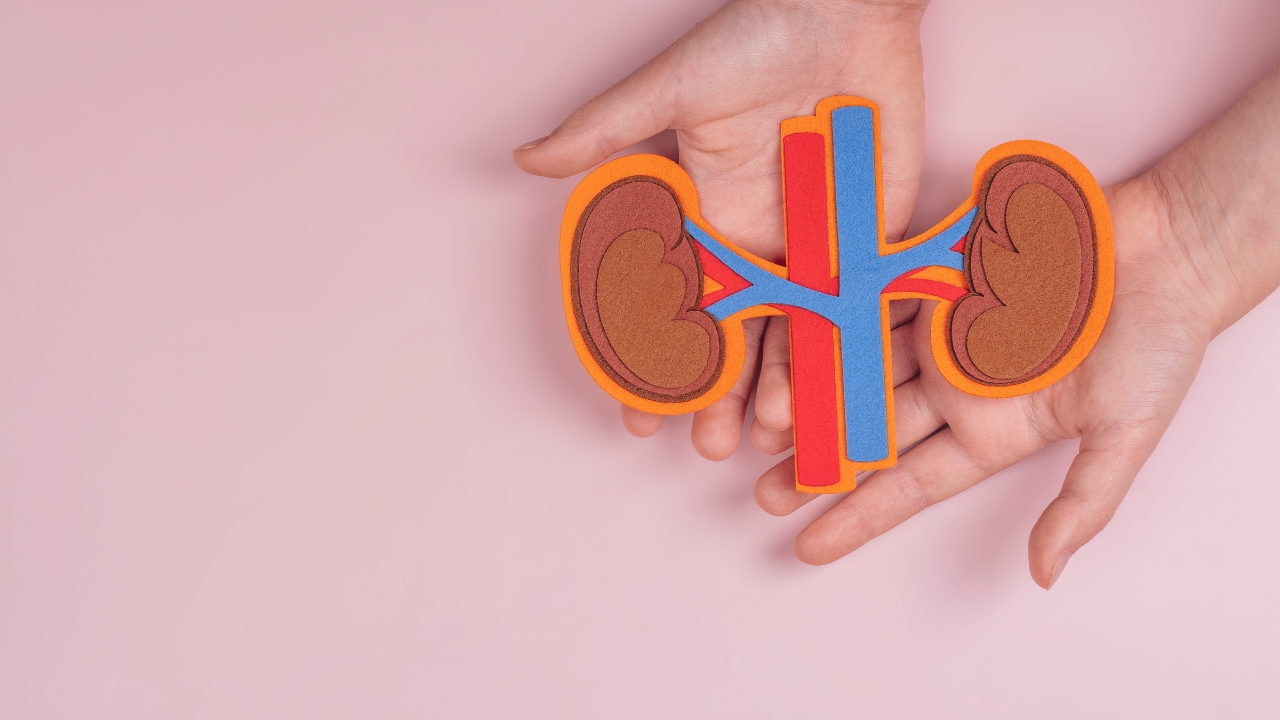
Why the Prostate Enlarges
As men age, testosterone is converted into a stronger hormone called DHT (dihydrotestosterone).
This hormone stimulates prostate cells to grow and press against the urethra, which carries urine out of the body.
That’s why urination becomes weak or interrupted, and you may feel like your bladder never completely empties.
If left unmanaged, the bladder stays tense and gradually loses strength. In severe cases, it can even lead to urinary retention, where urination becomes nearly impossible without medical help.

Common Symptoms of an Enlarged Prostate
✔️ Weak or interrupted urine flow
✔️ A feeling of incomplete emptying (residual urine)
✔️ Waking up two or more times at night to urinate (nocturia)
✔️ Constant urge to urinate or a heavy feeling in the bladder
✔️ Difficulty starting urination or dribbling after finishing
If you notice these symptoms, it may be a sign of prostate enlargement and not just normal aging.
Daily Habits That Help Protect the Prostate
Maintain a healthy weight – Belly fat increases DHT production.
Cut down on caffeine and alcohol – Both irritate the bladder.
Don’t hold your urine for too long – It puts pressure on the bladder and raises infection risk.
Eat an anti-inflammatory diet – Tomatoes, green tea, pumpkin seeds, and foods rich in zinc or selenium help protect the prostate.
Exercise regularly and maintain a healthy sex life – Good circulation helps reduce tension and inflammation around the prostate.

Natural Nutrients for Prostate Support
Two of the most researched natural ingredients for prostate health are Saw Palmetto and Pygeum.
They work in different ways, and when taken together they create a synergistic effect for better results.
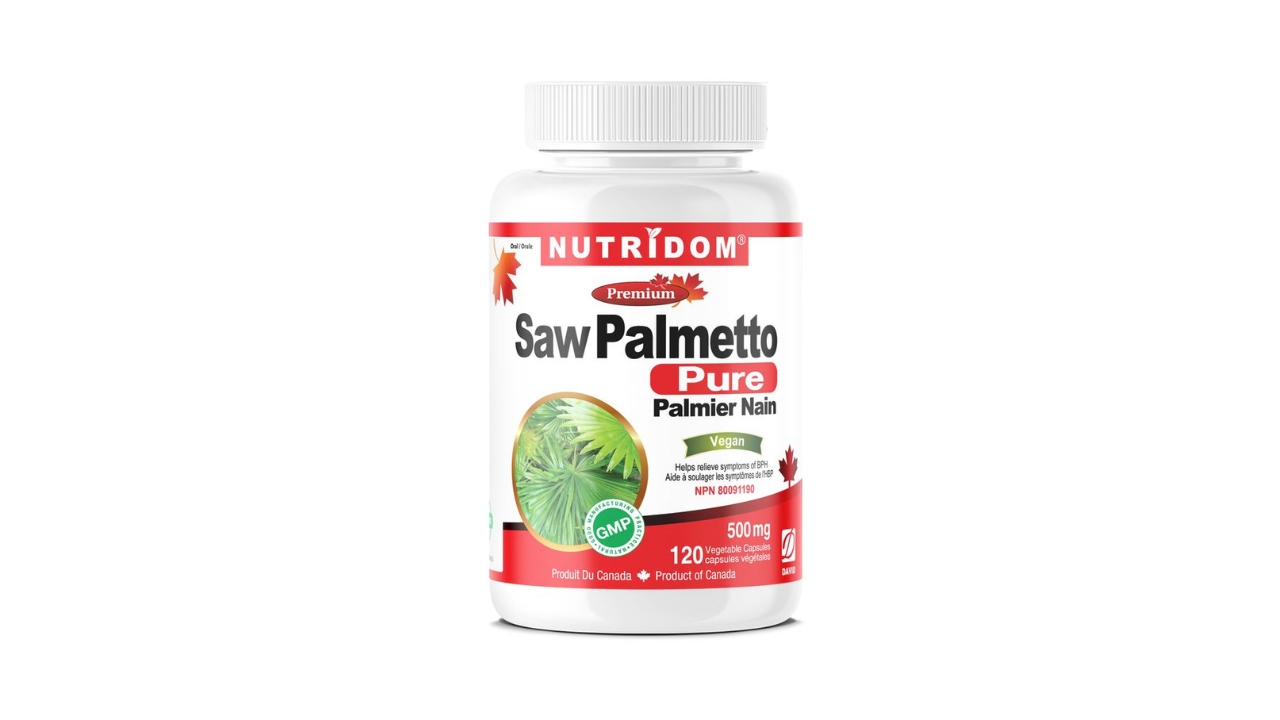
Saw Palmetto (Serenoa repens)
Function: Blocks the conversion of testosterone to DHT
Benefits: Helps prevent prostate overgrowth, reduces inflammation and swelling, improves urine flow
How to take: Once or twice daily after meals (fat-soluble, best absorbed with food containing healthy fats)
According to a Cochrane Database Review (2012) that analyzed 32 clinical trials involving over 5,000 men,
Saw Palmetto improved urinary symptoms and nighttime urination without affecting sexual function or hormones.
It remains one of the most trusted and well-studied herbal options for prostate support.
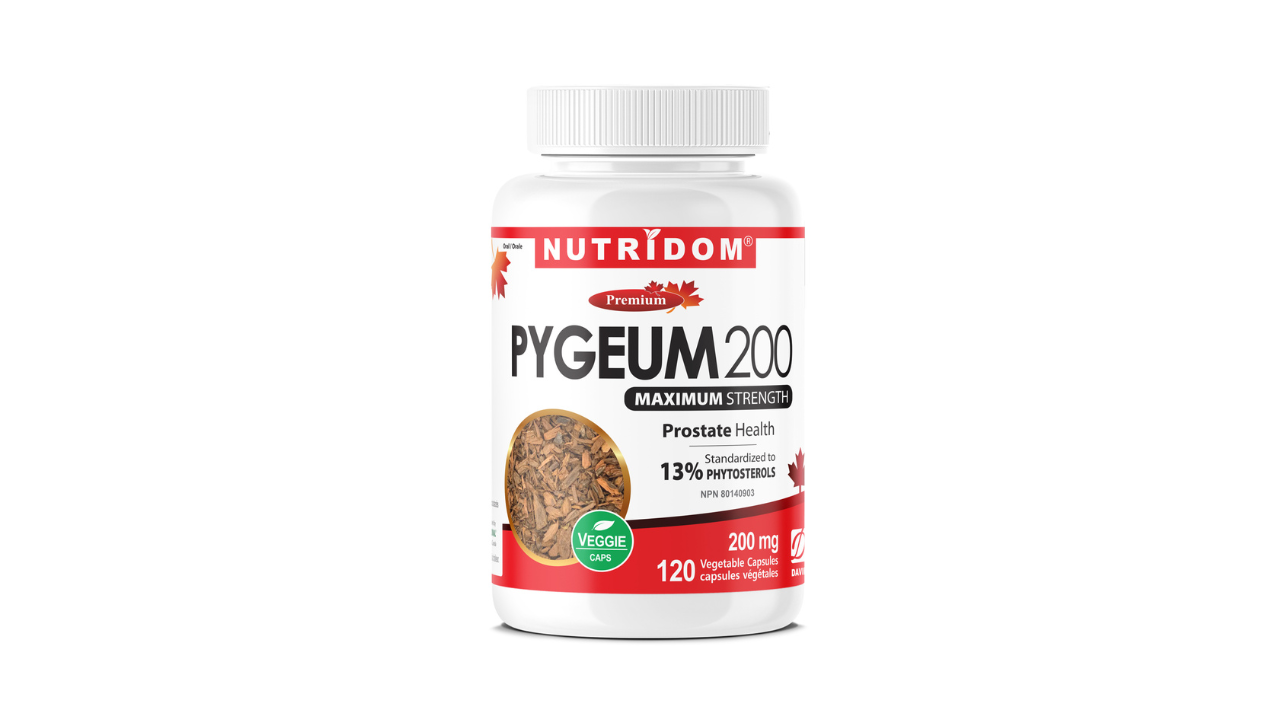
Pygeum (Pygeum africanum extract)
Function: Reduces prostate inflammation and oxidative stress
Benefits: Relieves urinary discomfort, reduces nighttime urination, helps the bladder empty more completely
How to take: Once or twice daily after meals (evening intake is ideal for those with nighttime urination)
A Phytotherapy Research (1995) review that included 18 studies with 1,562 men found that Pygeum reduced nighttime urination by 35% and improved peak urine flow by 19%, with very mild and rare side effects.
Safety and Long-Term Use
If you are taking blood thinners such as warfarin or aspirin, or if you have surgery planned, it is best to check with your doctor before use.
Related Products
0 Comments
0
Subject
Tag
Product


Popular
Tags
nutridom(46)omega3(14)heart health(13)antioxidant(12)coq10(9)Probiotics(9)immunity(8)sleep(8)vitamin c(8)비타민(7)arthritis(7)collagen(7)joint health(7)skin health(7)cholesterol(6)hair health(6)herbal slim(6)joint pain(6)melatonin(6)multivitamin(6)vitamin d(6)zinc(6)blood pressure(5)cardiovascular health(5)COVID-19(5)depression(5)garlic(5)liver health(5)magnesium(5)vitamin b(5)


