


Important Supplements to Take for Thyroid Health
Thyroid dysfunction is a common problem, affecting up to 20% of the population. It can be caused by a number of factors, including autoimmune diseases, genetic defects, and radiation exposure. Hashimoto's thyroiditis is the most common form of thyroid dys
2022-04-01 09:05:47
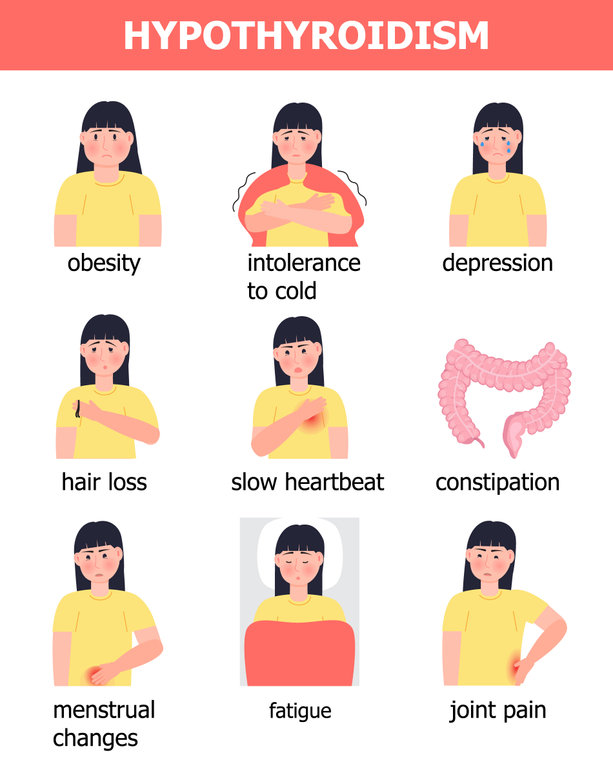
Thyroid dysfunction is a common problem, affecting up to 20% of the population. It can be caused by a number of factors, including autoimmune diseases, genetic defects, and radiation exposure. Hashimoto's thyroiditis is the most common form of thyroid dysfunction, accounting for about 90% of cases. Hypothyroidism is a condition in which the thyroid gland does not produce enough thyroid hormone. This can cause a wide range of symptoms, including fatigue, weight gain, hair loss, and cold intolerance.
Thyroid dysfunction is diagnosed with several blood tests including those that measure the levels of TSH (thyroid stimulating hormone) and TPO (thyroid peroxidase antibodies). Treatment options include thyroid hormone replacement therapy and lifestyle changes. However, some people may still have symptoms despite treatment. In these cases, supplements can help to improve thyroid function.
The four most important supplements for optimal thyroid function are selenium, iron, zinc, and curcumin.
Selenium is a mineral that is essential for the production of thyroid hormones. It is found in high concentrations in the thyroid gland and is necessary for the conversion of TSH to T4. Selenium deficiency can cause hypothyroidism, so it is important to make sure you are getting enough of this nutrient. Good sources of selenium include Brazil nuts, seafood, and organ meats. People that have thyroid dysfunction may need to supplement selenium beyond what they get in their diet. Studies have shown that supplementing with 200 mcg of selenium per day may help decrease thyroid antibodies and improve mood in people with Hashimoto’s.
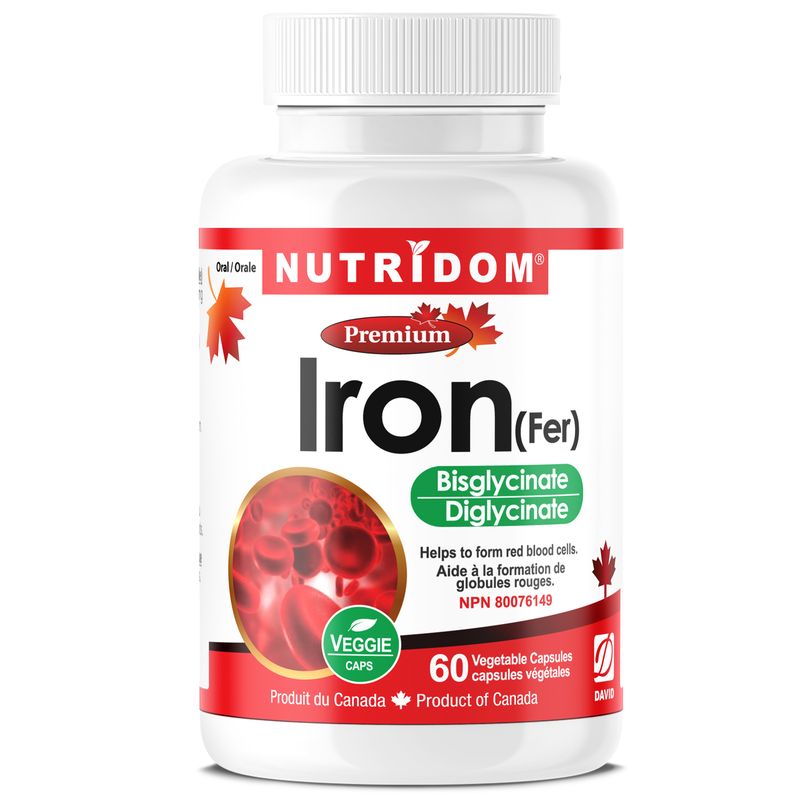
Iron is also essential for thyroid hormone production. It is a component of the enzyme TPO, which is responsible for the conversion of TSH to thyroid hormone. Iron deficiency can cause hypothyroidism, so it is important to make sure you are getting enough of this nutrient. Good sources of iron include red meat, poultry, and seafood. You should get your levels tested and see if you may also need to take an iron supplement.
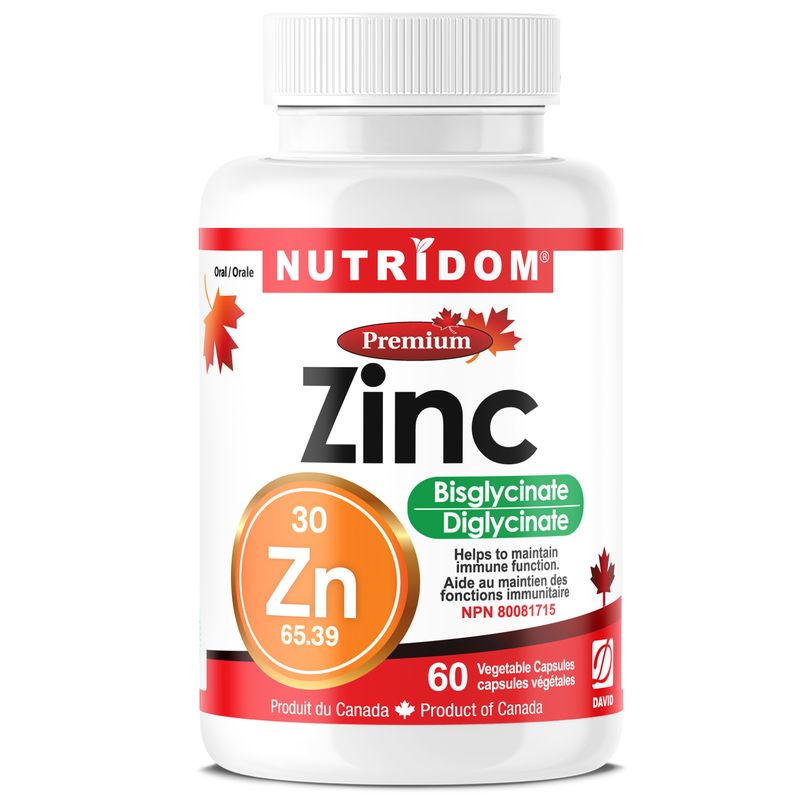
Zinc is another mineral that is essential for thyroid hormone production. It is involved in the conversion of TSH to TFT, and deficiency can lead to hypothyroidism. Zinc is found in high concentrations in the thyroid gland and good sources include red meat, poultry, and seafood. You should get your levels tested and see if you may also need to take a zinc supplement.
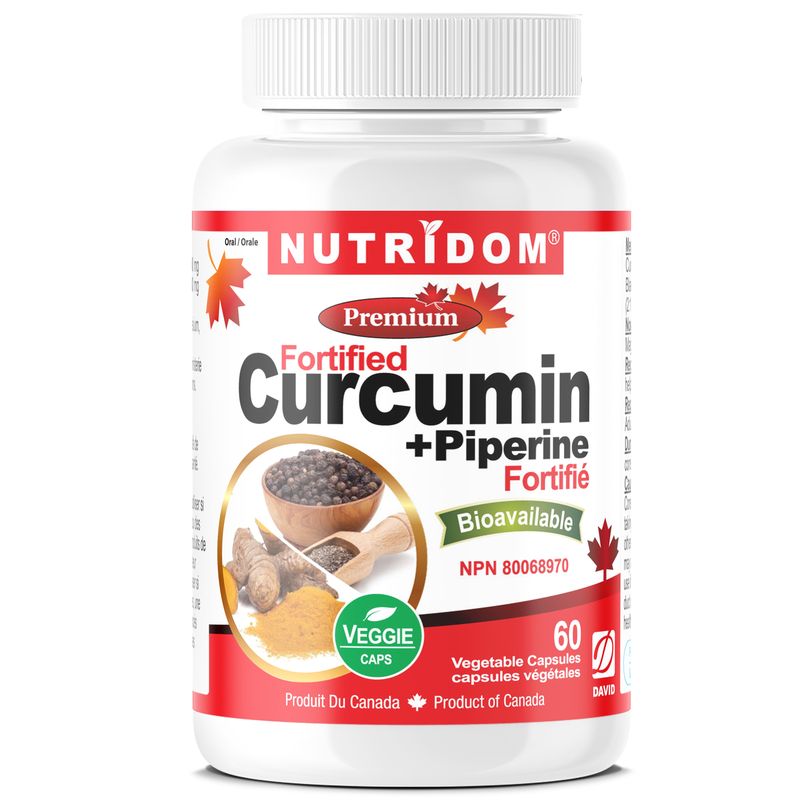
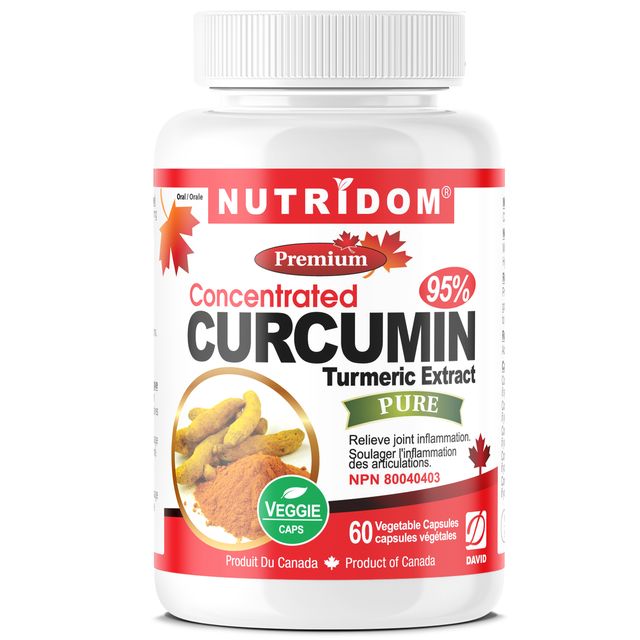
Curcumin is a compound found in turmeric that has been shown to have anti-inflammatory and antioxidant properties. It can help to improve thyroid function by reducing inflammation and oxidative stress. Curcumin is available as a supplement and can be taken either as a powder or in capsules.
If you are experiencing symptoms of thyroid dysfunction, talk to your doctor about whether these supplements may be right for you.
Sources:
Toulis KA, Anastasilakis AD, Tzellos TG, Goulis DG, Kouvelas D. Selenium supplementation in the treatment of Hashimoto's thyroiditis: a systematic review and a meta-analysis. Thyroid. 2010 Oct;20(10):1163-73. doi: 10.1089/thy.2009.0351. PMID: 20883174.
Hu S, Rayman MP. Multiple Nutritional Factors and the Risk of Hashimoto's Thyroiditis. Thyroid. 2017 May;27(5):597-610. doi: 10.1089/thy.2016.0635. Epub 2017 Apr 6. PMID: 28290237.
Related Products
1 Comments
0
Subject
Tag
Product


Popular
Tags
nutridom(46)omega3(14)heart health(13)antioxidant(12)coq10(9)Probiotics(9)immunity(8)sleep(8)vitamin c(8)비타민(7)arthritis(7)collagen(7)joint health(7)skin health(7)cholesterol(6)hair health(6)herbal slim(6)joint pain(6)melatonin(6)multivitamin(6)vitamin d(6)zinc(6)blood pressure(5)cardiovascular health(5)COVID-19(5)depression(5)garlic(5)liver health(5)magnesium(5)vitamin b(5)


(ybmuwan02@nate.com)
2023-01-19 05:46:49e